
Robinia pseudoacacia L.
A medium-sized deciduous tree known for its natural cleansing properties and wide ecological value.
Quick Facts
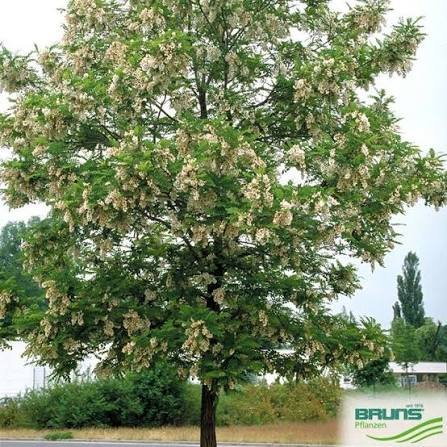
Southeastern United states; introduced in Europe, Asia and india (often in hills and plantations),
Grows well on dry slopes, deegraded soils and roadsides; thrives in temperate to subtropical regions.
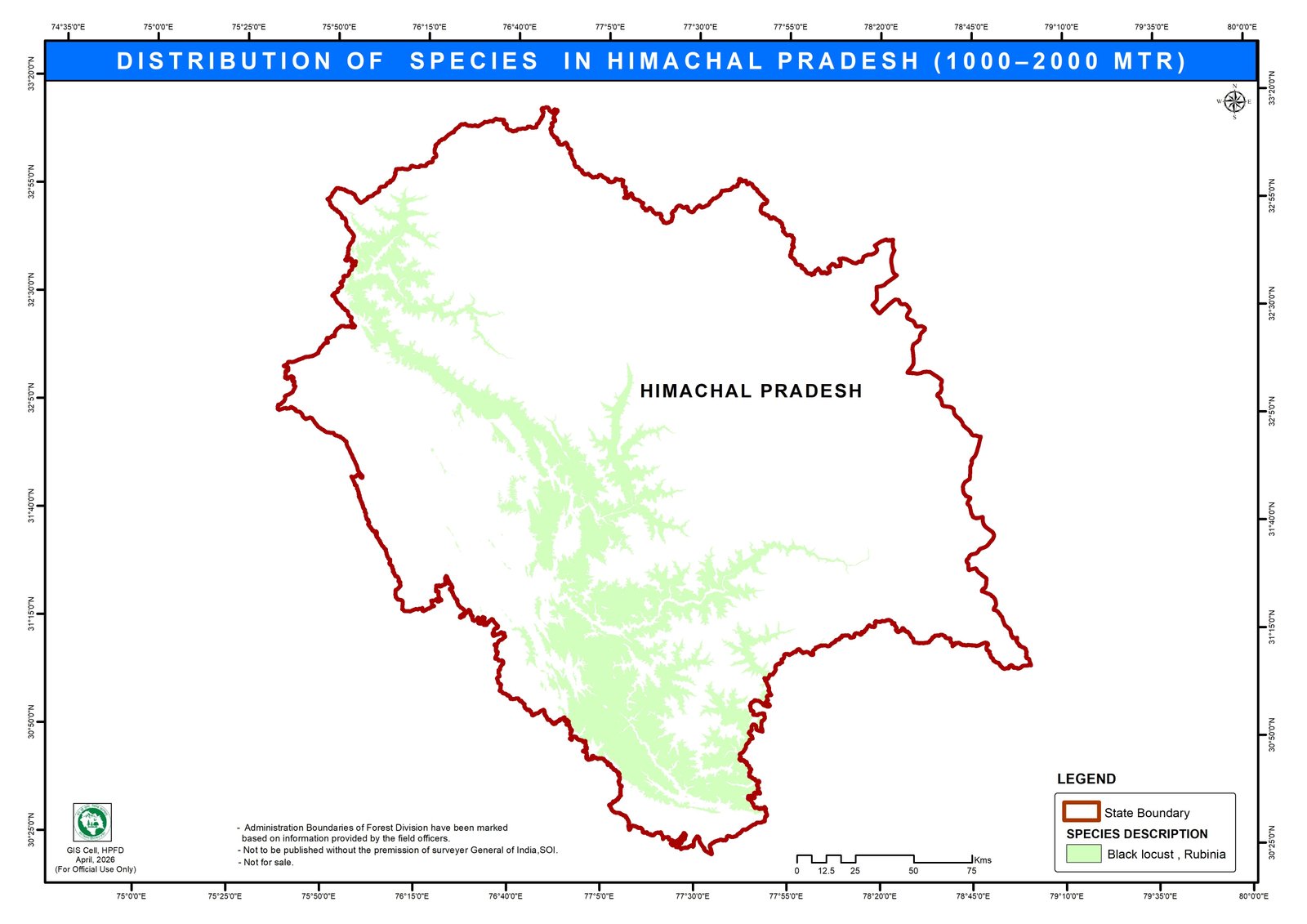
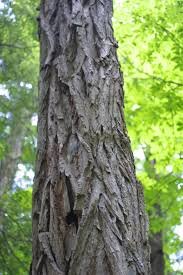
Medium sized deciduous tree, 15-25m tall;compound leaves with oval leaflets; deeply furrowed dark bark; spiny young branches. clusters;
- timber (strong, durable, 'rot resistant ); ornamental fpr fragrant flowers; fodder (limited, as leaves /seeds mildly toxic if excessive); fuelwood; soil improver(nitrogen -fixing roots).
Plant Details
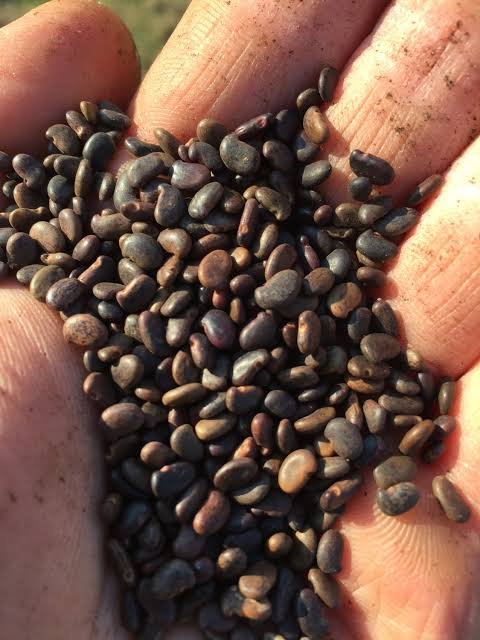
Seed
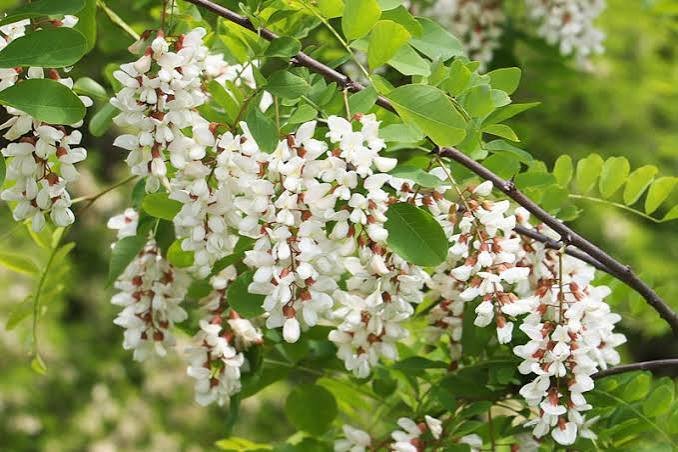
Flower
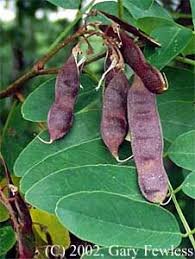
Fruit
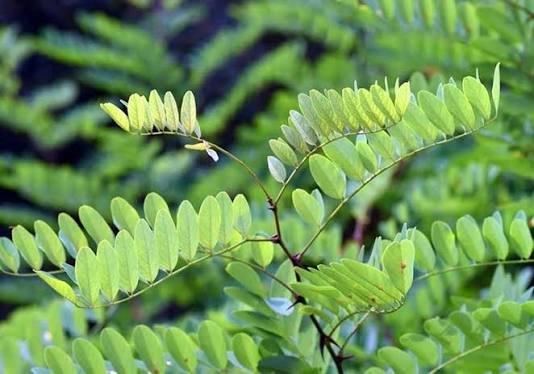
Leaves
Bark
Robinia pseudoacacia L.
A medium-sized deciduous tree known for its natural cleansing properties and wide ecological value.
All Tree SpeciesQuick Facts
Native Information
Southeastern United states; introduced in Europe, Asia and india (often in hills and plantations),
Habitat
Grows well on dry slopes, deegraded soils and roadsides; thrives in temperate to subtropical regions.
Habit
Medium sized deciduous tree, 15-25m tall;compound leaves with oval leaflets; deeply furrowed dark bark; spiny young branches. clusters;
Uses
- timber (strong, durable, 'rot resistant ); ornamental fpr fragrant flowers; fodder (limited, as leaves /seeds mildly toxic if excessive); fuelwood; soil improver(nitrogen -fixing roots).
Seed
Flower
Fruit
Leaves
Bark