
Prunus armeniaca L.
Also known as: apricot, Khubani
A medium-sized deciduous tree known for its natural cleansing properties and wide ecological value.
Quick Facts
FAMILY
Rosaceae
NATIVE REGION
India, Nepal, Bhutan
IUCN STATUS
Not evaluated
TYPE
Deciduous Tree
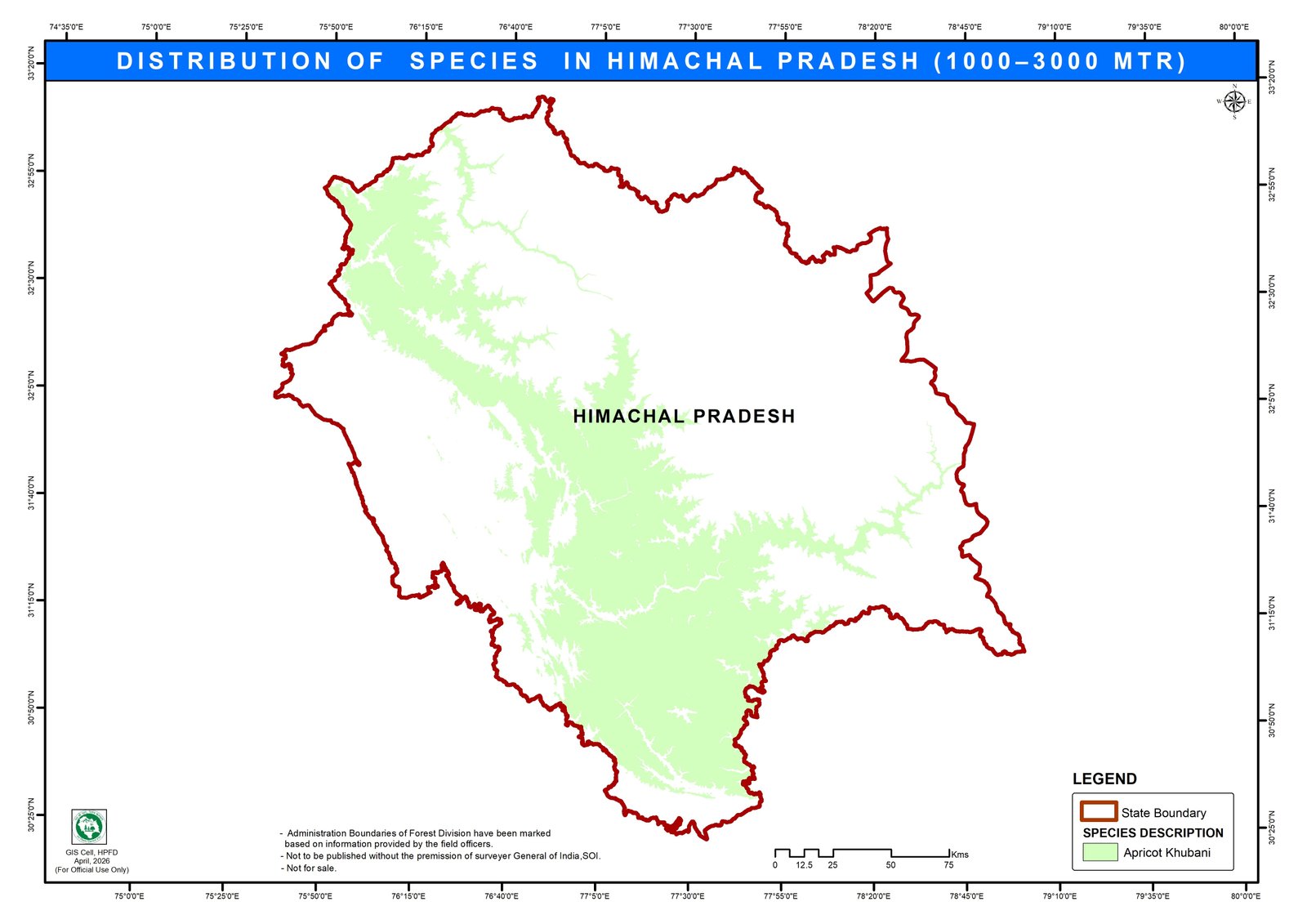
Central Asia, China; cultivated in himalayas ( J& K ,Himachal Pradesh, Uttrakhand , ladakh).
Grown in temperate valleys and slopes at 1000-3000m.
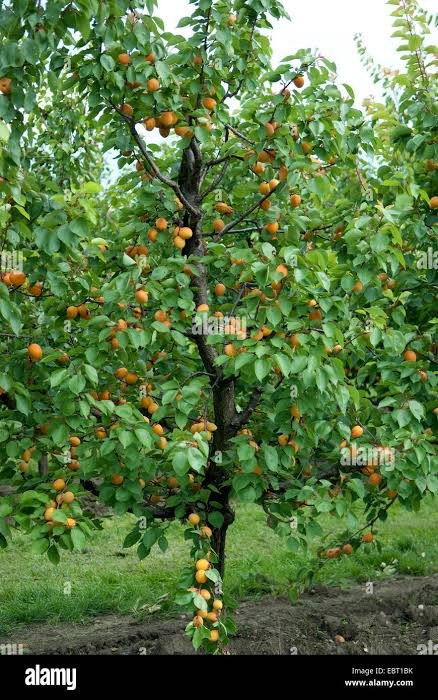
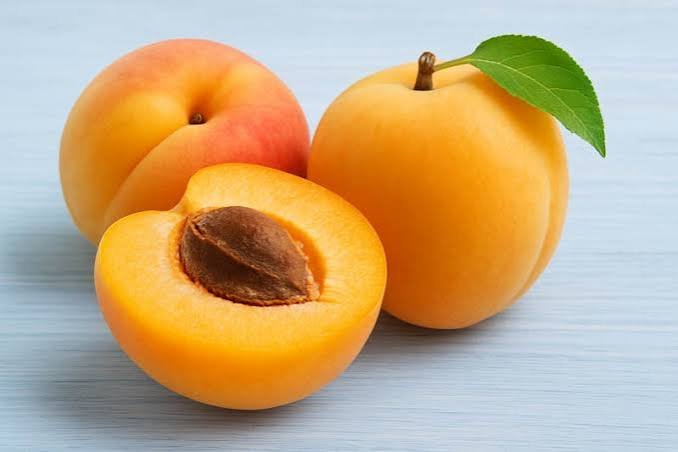
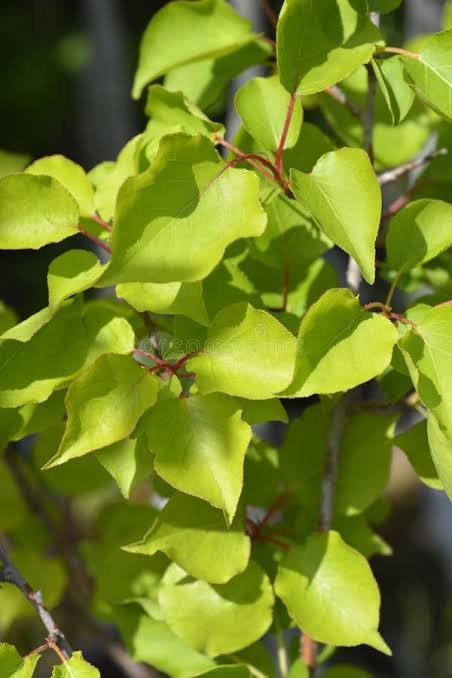
Small dediduous tree, 6-12m; ovate leaves ;pinkish white spring flowers;yellow orange drupes(apricots).
- Fruits edible (fresh, dried, Jams ); Kernels yield edible oil; medicinal (seeds, oil); timber and fuel wood; ornamental.
Important for ecological balance and supports biodiversity.
Plant Details
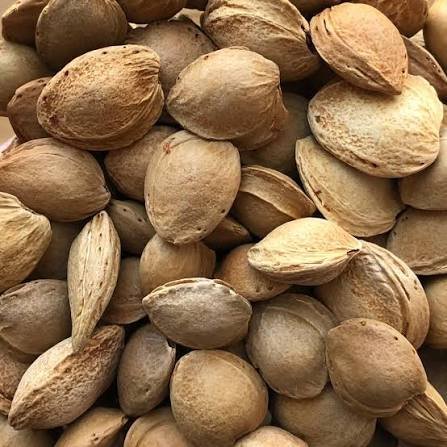
Seed
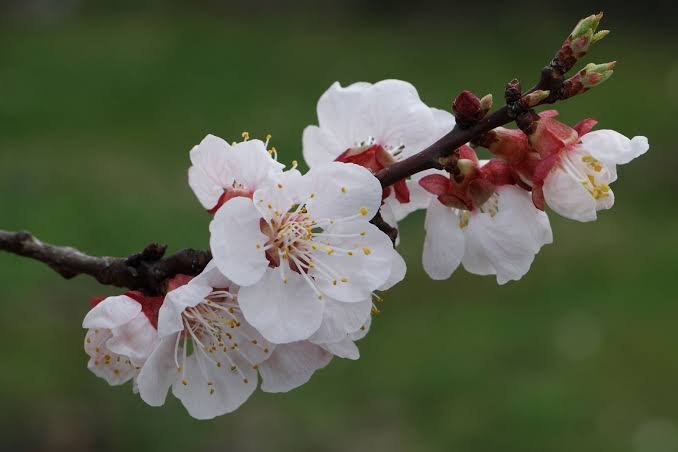
Flower
Fruit
Leaves
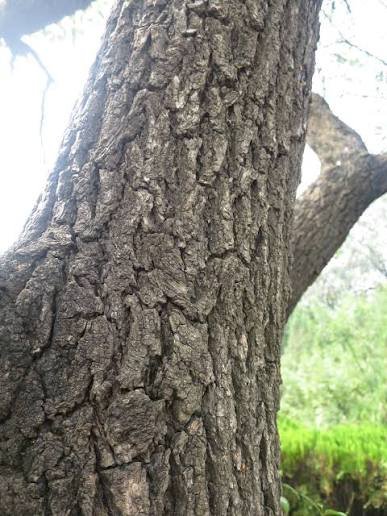
Bark
Prunus armeniaca L.
Also known as: apricot, Khubani
A medium-sized deciduous tree known for its natural cleansing properties and wide ecological value.
All Tree SpeciesQuick Facts
FAMILY
Rosaceae
NATIVE REGION
India, Nepal, Bhutan
IUCN STATUS
Not evaluated
TYPE
Deciduous Tree
Native Information
Central Asia, China; cultivated in himalayas ( J& K ,Himachal Pradesh, Uttrakhand , ladakh).
Habitat
Grown in temperate valleys and slopes at 1000-3000m.
Habit
Small dediduous tree, 6-12m; ovate leaves ;pinkish white spring flowers;yellow orange drupes(apricots).
Uses
- Fruits edible (fresh, dried, Jams ); Kernels yield edible oil; medicinal (seeds, oil); timber and fuel wood; ornamental.
Important for ecological balance.
Seed
Flower
Fruit
Leaves
Bark
×
![Enlarged view]()