
Juglans nigra L.
A medium-sized deciduous tree known for its natural cleansing properties and wide ecological value.
Quick Facts
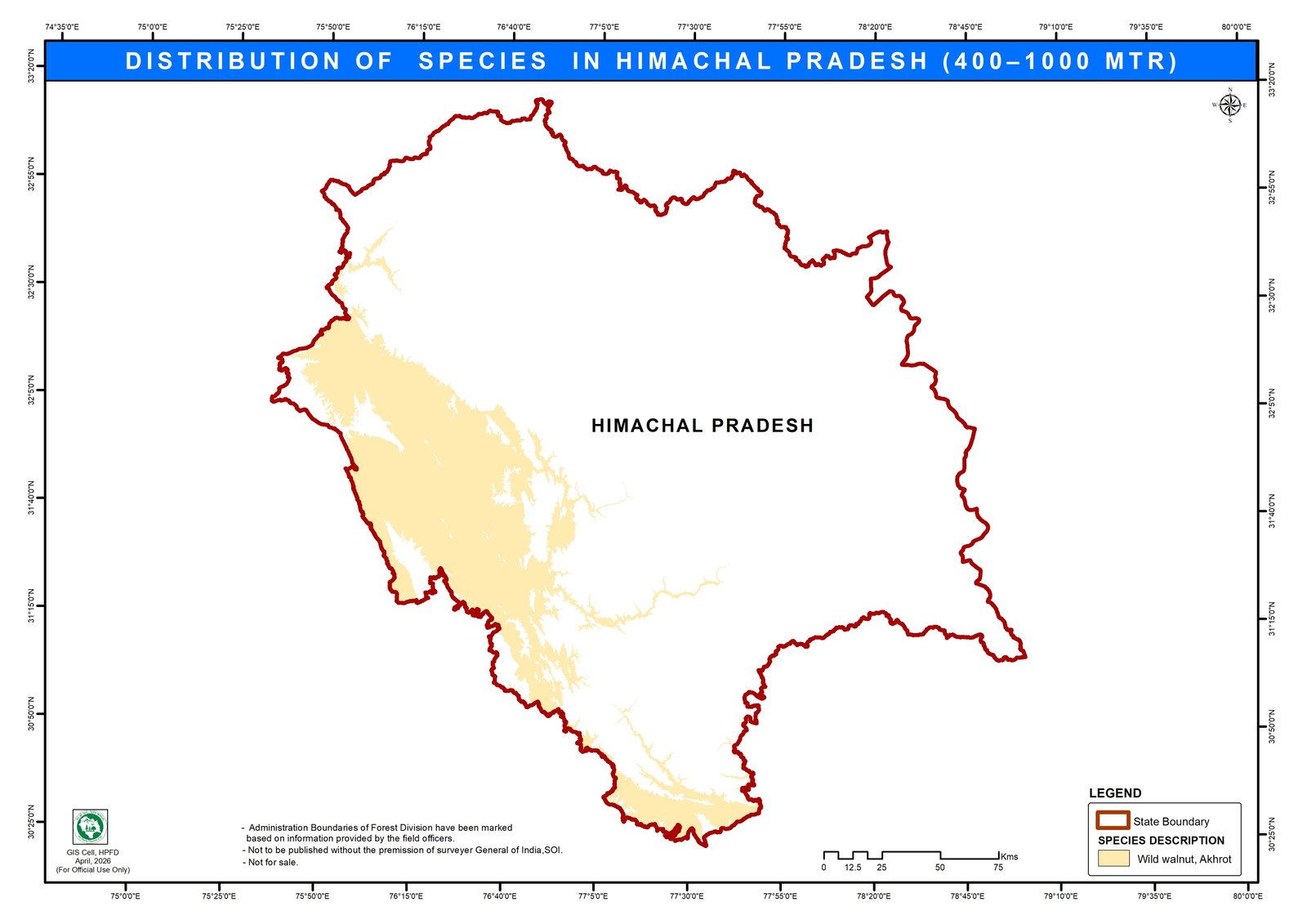
Eastern North America ; introduced and cultivated in parts of India (Himalayan region, arboreta, gardens).
Prefers deep, fertile, moist soils along river valleys and lower slopes;thrives in temperate climates.
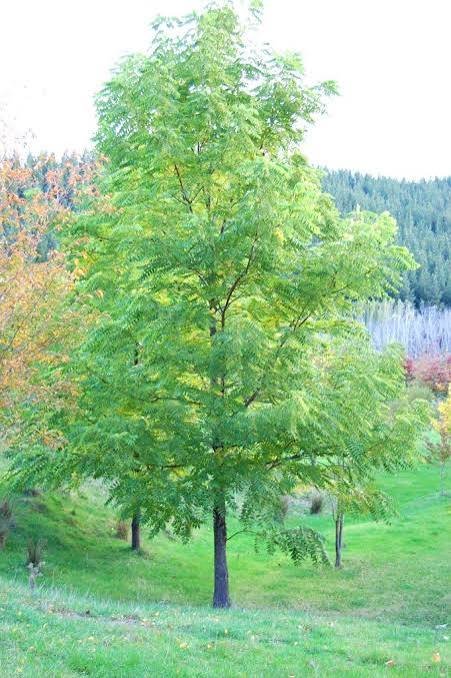
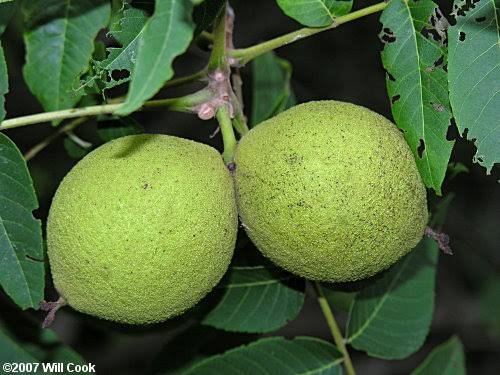
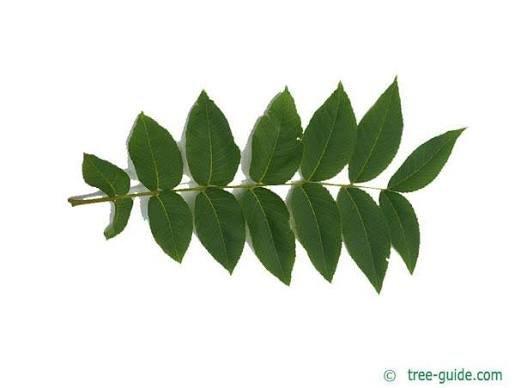
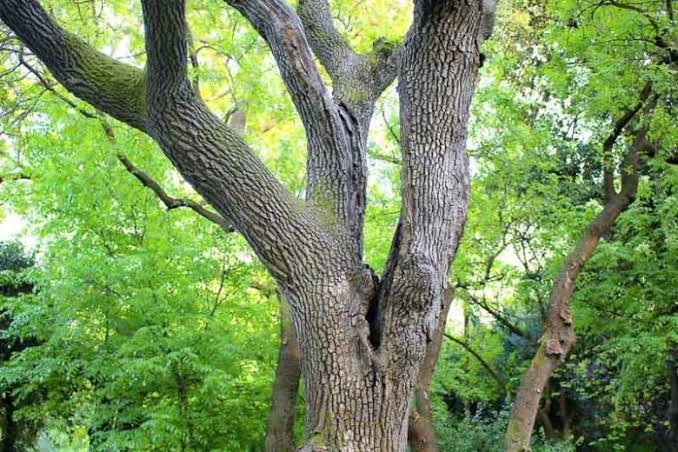
Large deciduous tree, 30-40m tall; pinnate leaves with 15-23 leaflets; dark deeply furrowed bark; round green fruits with hard shelled edible nut.
- Edible nuts rich in oil and protein; timber highly valued for furniture, veneer, and carving; medicinal uses (bark, husk ) ; also planted as shade and ornamental tree.
Plant Details
Seed
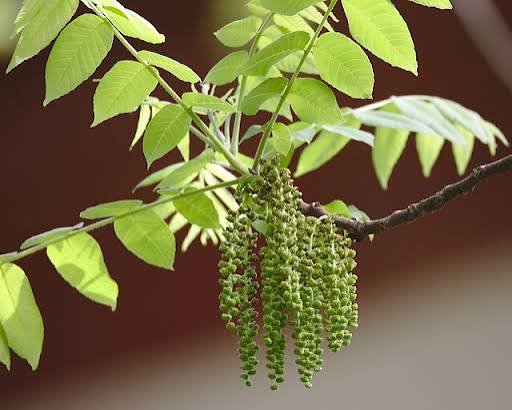
Flower
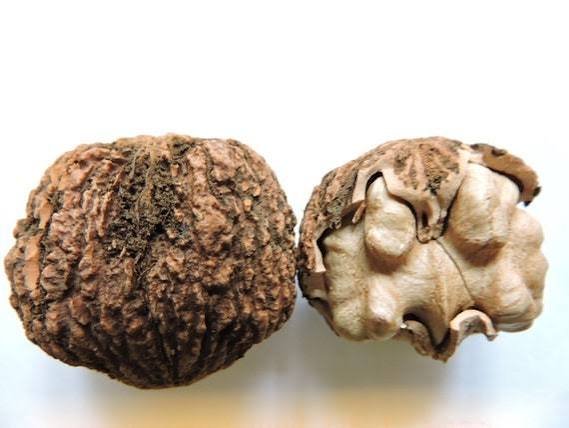
Fruit
Leaves
Bark
Juglans nigra L.
A medium-sized deciduous tree known for its natural cleansing properties and wide ecological value.
All Tree SpeciesQuick Facts
Native Information
Eastern North America ; introduced and cultivated in parts of India (Himalayan region, arboreta, gardens).
Habitat
Prefers deep, fertile, moist soils along river valleys and lower slopes;thrives in temperate climates.
Habit
Large deciduous tree, 30-40m tall; pinnate leaves with 15-23 leaflets; dark deeply furrowed bark; round green fruits with hard shelled edible nut.
Uses
- Edible nuts rich in oil and protein; timber highly valued for furniture, veneer, and carving; medicinal uses (bark, husk ) ; also planted as shade and ornamental tree.
Seed
Flower
Fruit
Leaves
Bark