
Ficus palmata Forssk.
Also known as: Wild himalayan fig, Bedu
A medium-sized deciduous tree known for its natural cleansing properties and wide ecological value.
Quick Facts
FAMILY
Moraceae
NATIVE REGION
India, Nepal, Bhutan
IUCN STATUS
Least concern
TYPE
Deciduous Tree
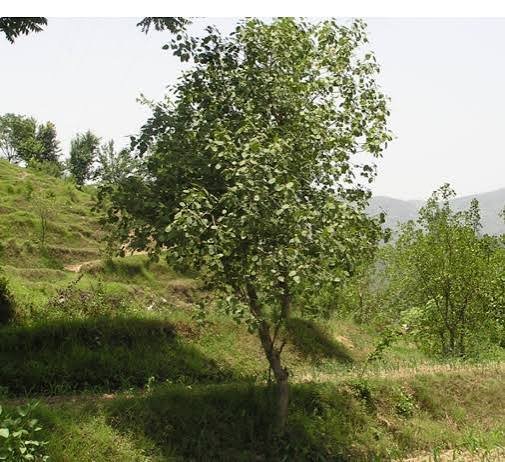
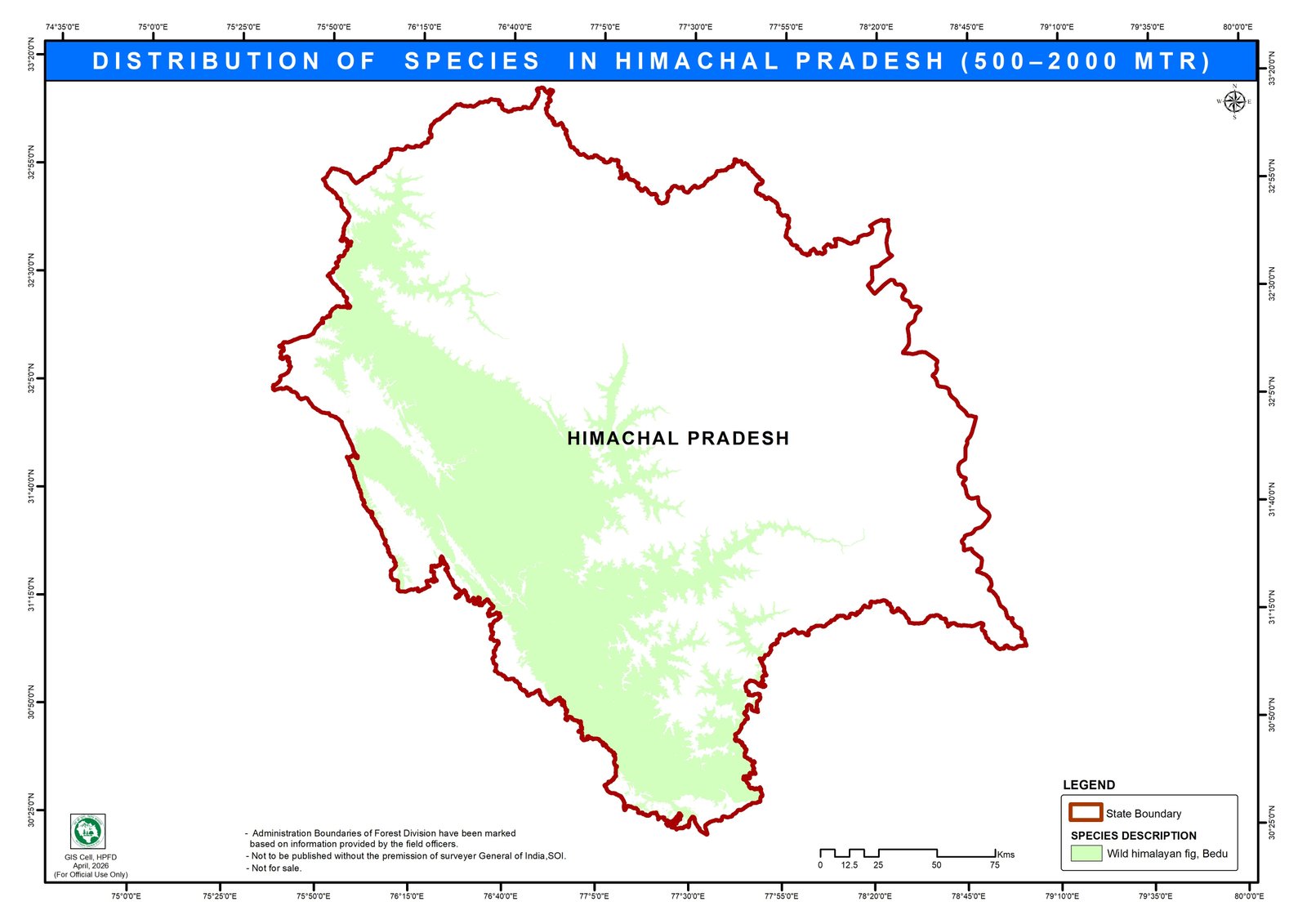
Western Himalayas (India,Nepal, Pakistan, Afganistan).
Dey slopes,valleys, forest edges at 500-2000m.
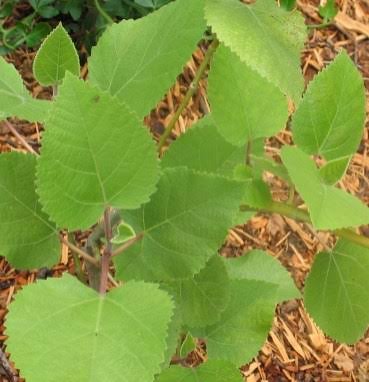
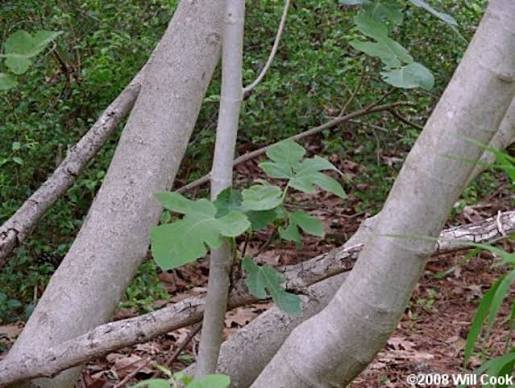
Small deciduous tree/shrub, 3-10m; rough bark; palmately lobed leaves; produces edible fig- like fruits, purple when ripe.
- Fruits edible (fresh, dried); medicinal (disgestive, laxtive); fodder for livestock; soil binder on slopes.
Important for ecological balance and supports biodiversity.
Plant Details
Seed

Flower
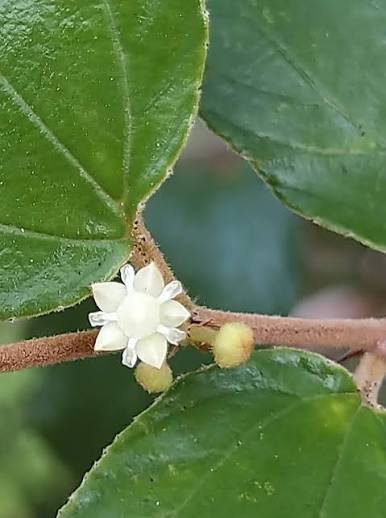
Fruit
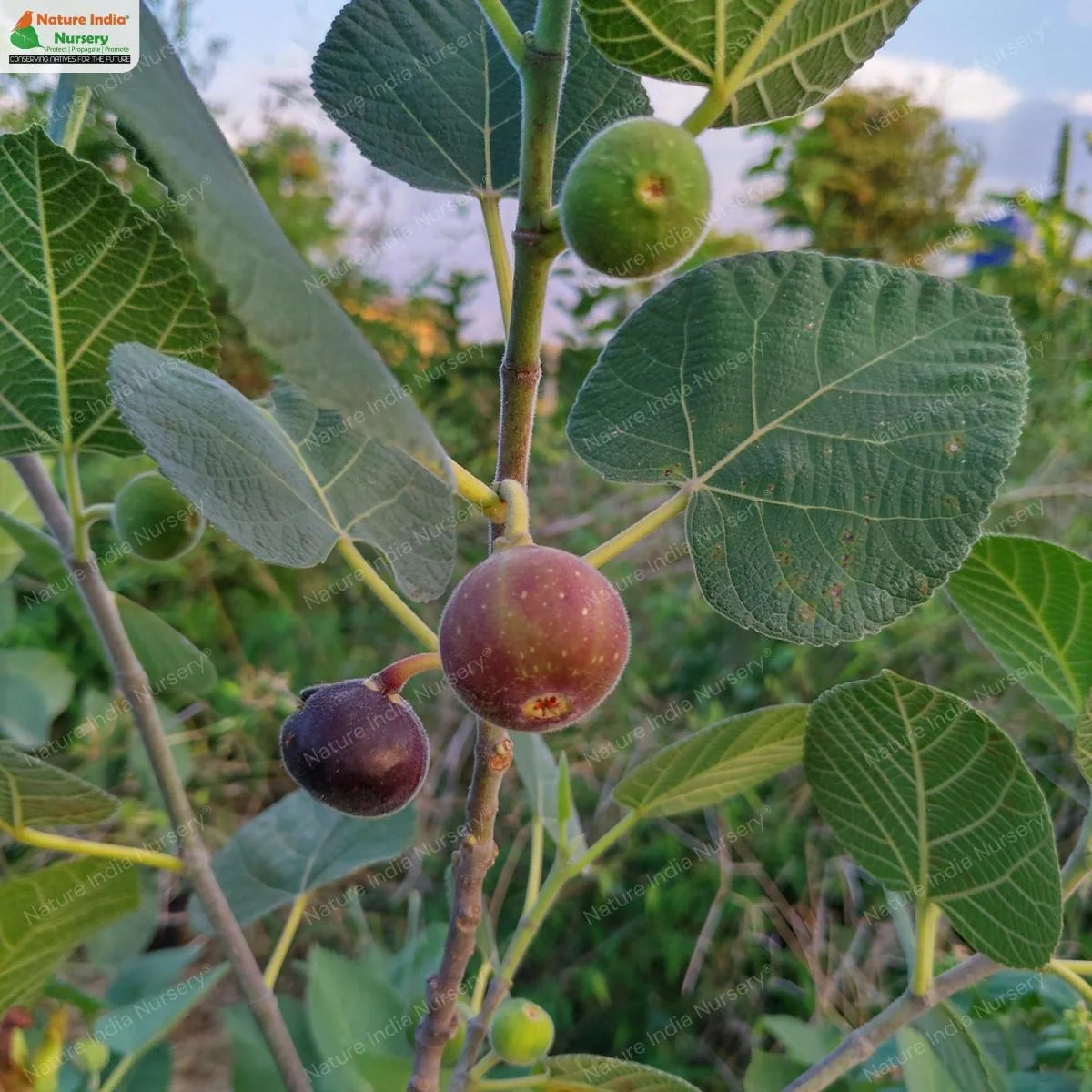
Leaves
Bark
Ficus palmata Forssk.
Also known as: Wild himalayan fig, Bedu
A medium-sized deciduous tree known for its natural cleansing properties and wide ecological value.
All Tree SpeciesQuick Facts
FAMILY
Moraceae
NATIVE REGION
India, Nepal, Bhutan
IUCN STATUS
Least concern
TYPE
Deciduous Tree
Native Information
Western Himalayas (India,Nepal, Pakistan, Afganistan).
Habitat
Dey slopes,valleys, forest edges at 500-2000m.
Habit
Small deciduous tree/shrub, 3-10m; rough bark; palmately lobed leaves; produces edible fig- like fruits, purple when ripe.
Uses
- Fruits edible (fresh, dried); medicinal (disgestive, laxtive); fodder for livestock; soil binder on slopes.
Important for ecological balance.
Seed
Flower
Fruit
Leaves
Bark
×
![Enlarged view]()