Betula utilis D.Don
A medium-sized deciduous tree known for its natural cleansing properties and wide ecological value.
Quick Facts
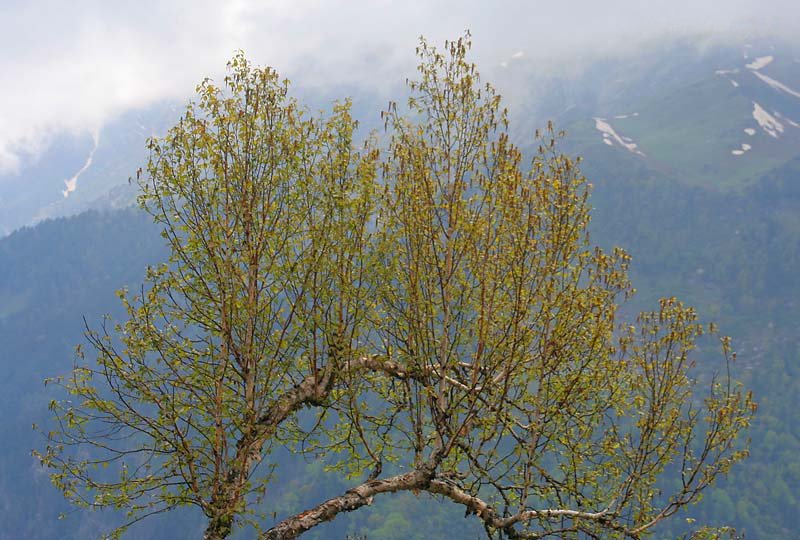
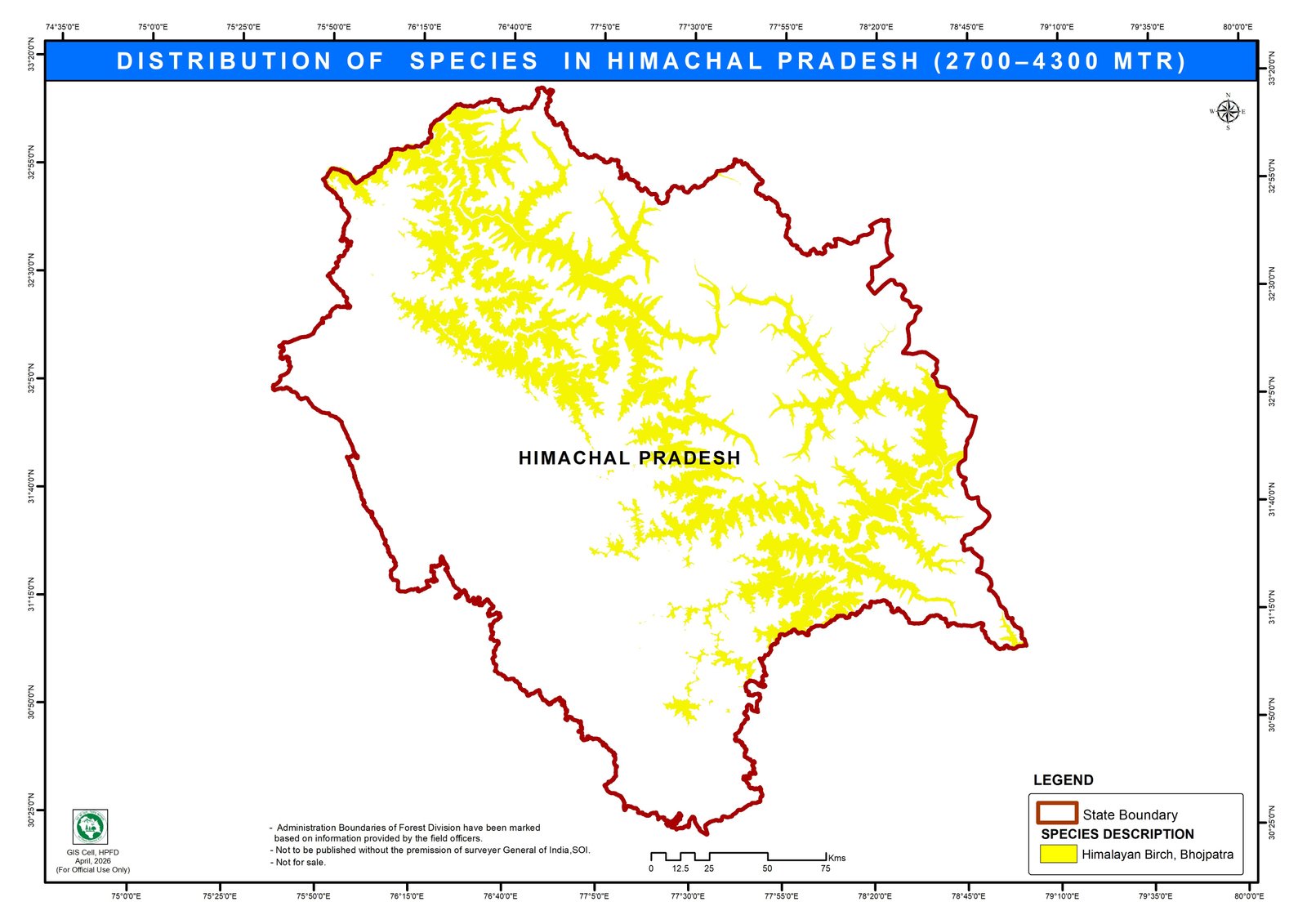
Bhojpatra, is native to the Himalayan region, specifically the subalpine zone. This species is a broadleaved deciduous tree and is also found in parts of China, Bhutan, Afghanistan, Tajikistan, India, Uzbekistan, Kyrgyzstan, Nepal, Kazakhstan, and Pakistan.
It grows at altitudes between 2,700 and 4,500 meters (8,900 to 14,800 feet).
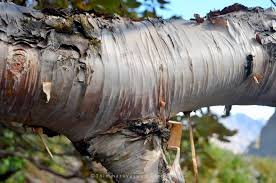
The tree growing as a shrub or tree reaching up to 20 m (66 ft) tall. It frequently grows among scattered conifers, with an undergrowth of shrubs that typically includes evergreen Rhododendron. The tree depends on moisture from snowmelt, rather than from the monsoon rains. They often have very bent growth due to the pressure of the deep winter snow in the Himalaya.The thin, papery bark is very shiny, reddish brown, reddish white, or white, with horizontal lenticels.
- The bark, leaves, and resin are used in Ayurvedic and other traditional systems to treat ailments like wounds, skin issues, rheumatism, and even psychological disorders. Additionally, the bark has been used as a writing material and for packaging, while the wood is used in construction and for making various utensils.
Plant Details
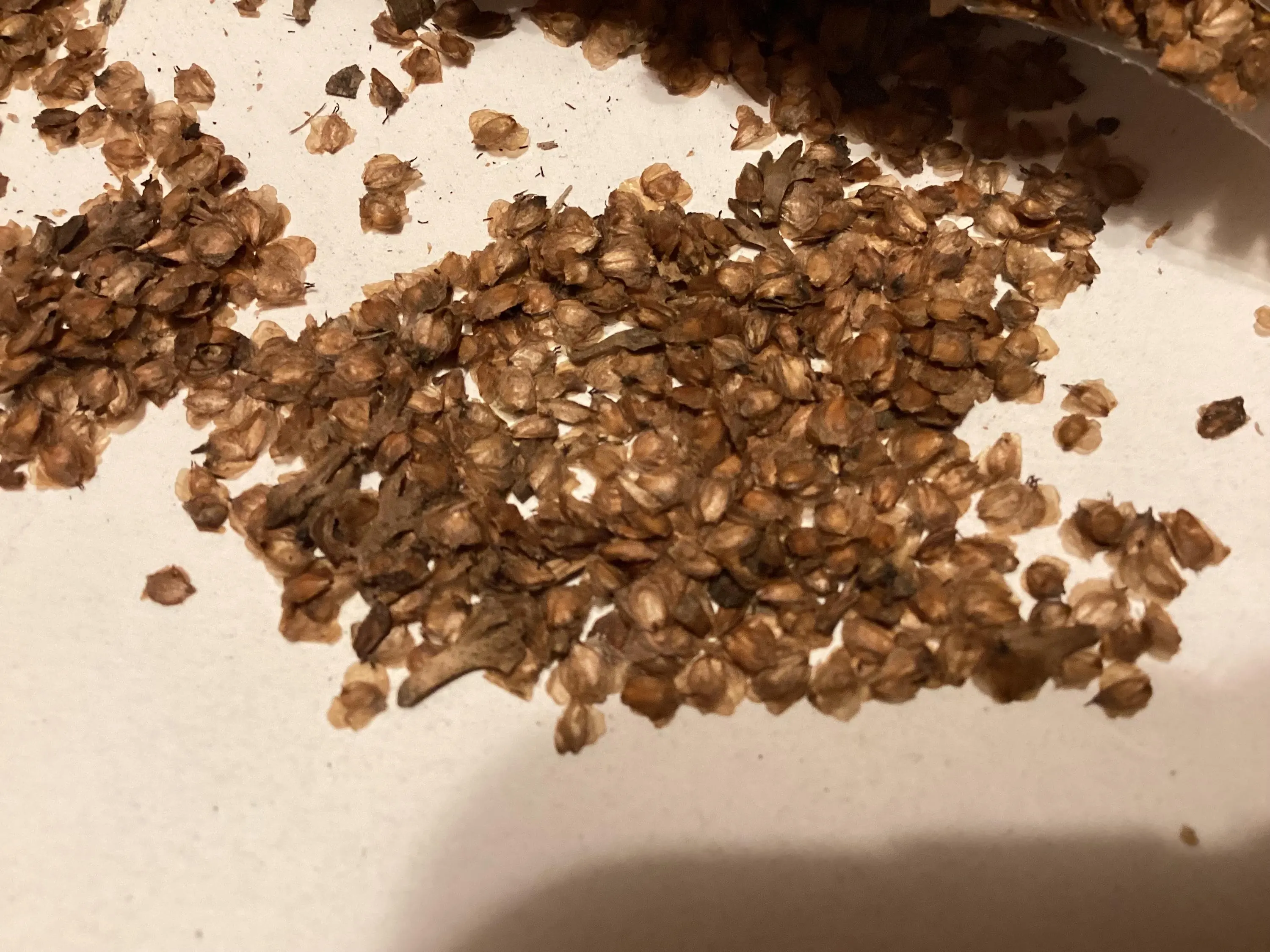
Seed
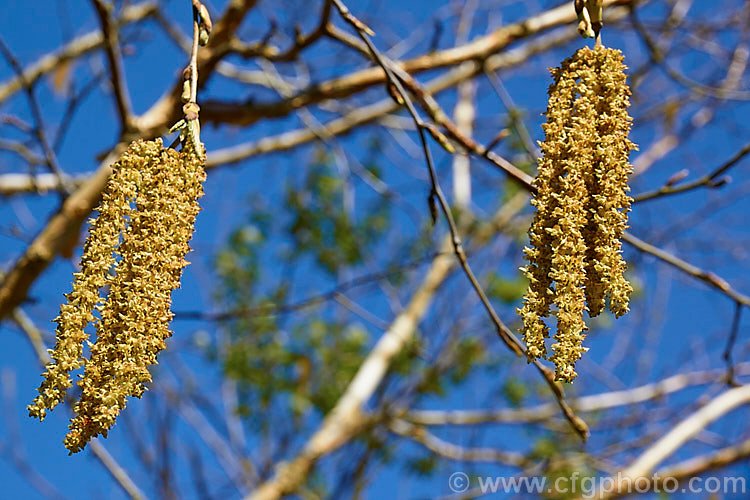
Flower
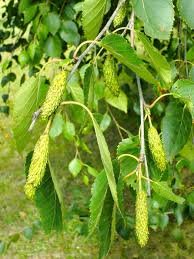
Fruit
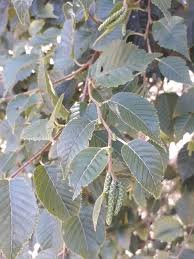
Leaves
Bark
Betula utilis D.Don
A medium-sized deciduous tree known for its natural cleansing properties and wide ecological value.
All Tree SpeciesQuick Facts
Native Information
Bhojpatra, is native to the Himalayan region, specifically the subalpine zone. This species is a broadleaved deciduous tree and is also found in parts of China, Bhutan, Afghanistan, Tajikistan, India, Uzbekistan, Kyrgyzstan, Nepal, Kazakhstan, and Pakistan.
Habitat
It grows at altitudes between 2,700 and 4,500 meters (8,900 to 14,800 feet).
Habit
The tree growing as a shrub or tree reaching up to 20 m (66 ft) tall. It frequently grows among scattered conifers, with an undergrowth of shrubs that typically includes evergreen Rhododendron. The tree depends on moisture from snowmelt, rather than from the monsoon rains. They often have very bent growth due to the pressure of the deep winter snow in the Himalaya.The thin, papery bark is very shiny, reddish brown, reddish white, or white, with horizontal lenticels.
Uses
- The bark, leaves, and resin are used in Ayurvedic and other traditional systems to treat ailments like wounds, skin issues, rheumatism, and even psychological disorders. Additionally, the bark has been used as a writing material and for packaging, while the wood is used in construction and for making various utensils.
Seed
Flower
Fruit
Leaves
Bark