
Quercus leucotrichophora A.Camus
A medium-sized deciduous tree known for its natural cleansing properties and wide ecological value.
Quick Facts
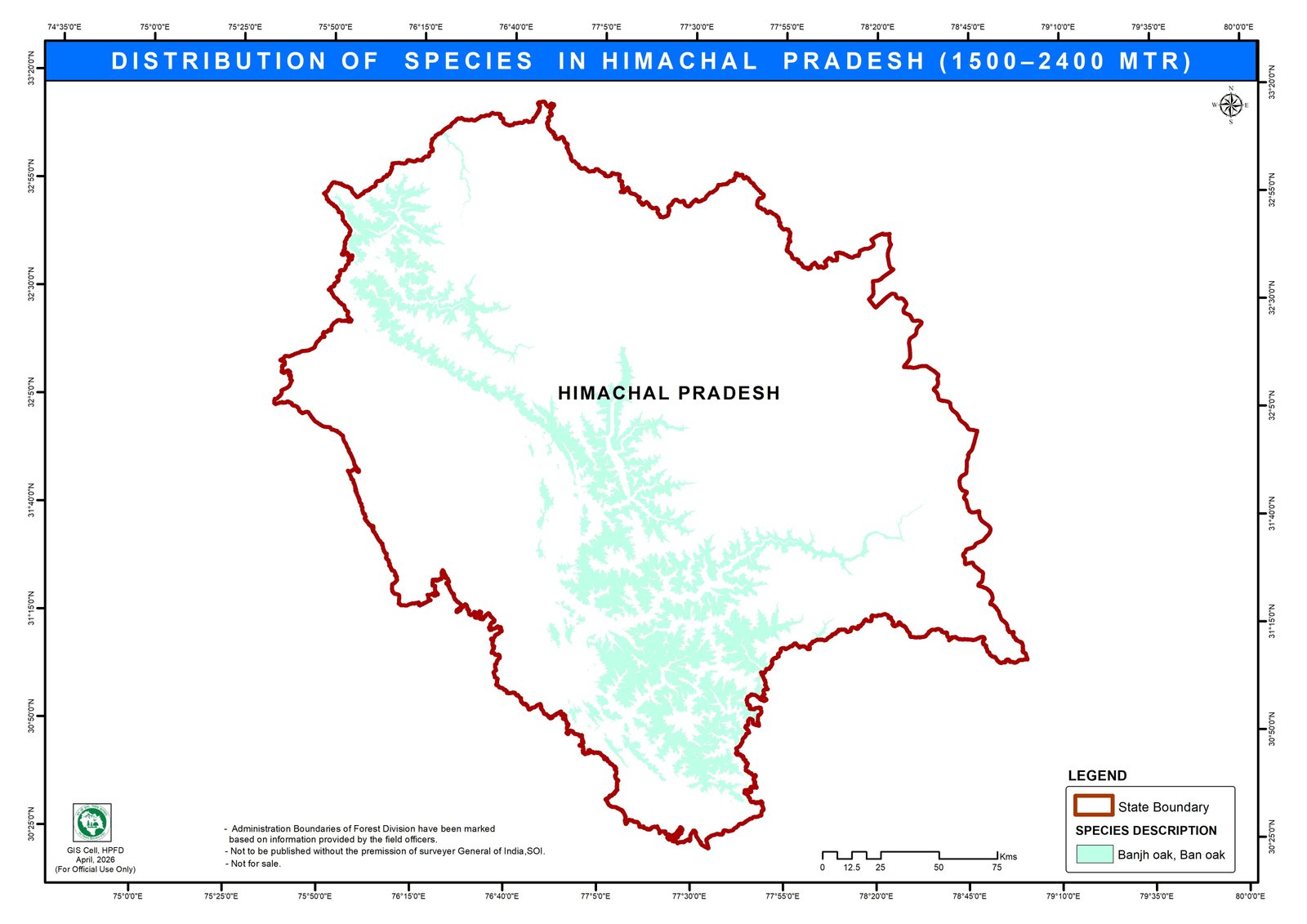
Native to the mid-elevation regions of the central Himalayas, including India, Pakistan, Nepal, Myanmar, Thailand, and Vietnam.
It typically grows between 1,500 and 2,400 meters (4,900 and 7,900 feet) above sea level. In the Western Himalayas, it's abundant around 2,000 meters.
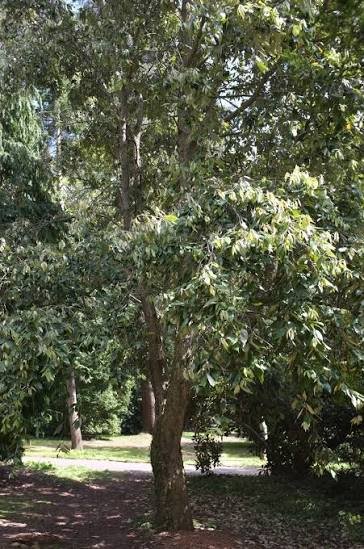
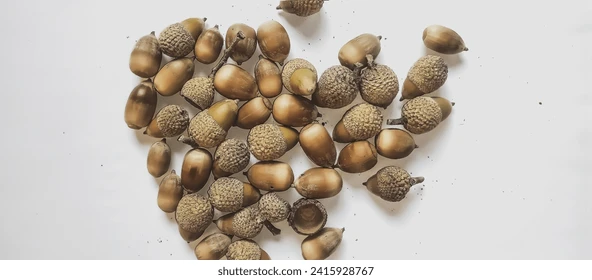
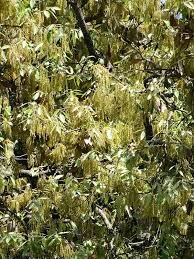
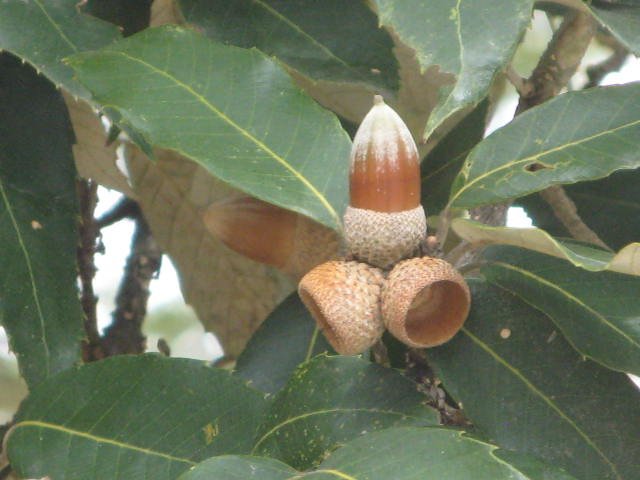
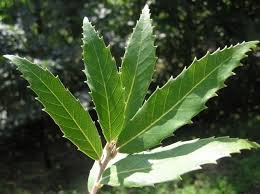
Quercus leucotrichophora is an evergreen tree bearing stalked, acuminate, leathery, and dark green leaves which are glabrous above and densely white or gray pubescent beneath. The male flowers are slender and drooping spikes. The female spikes are sessile and axillary. There is a solitary acorn. Quercus leucotrichophora flowers in April to May and fruits in December. Naturally, it regenerates via seeds. It is typically sown in February-March, with germination occurring after early monsoon showers in June-July. The seeds are collected in December-January and stored to break dormancy. Planting is preferably completed by July for better survival.
- The Ban oak is among the most useful trees of the Himalayas. It is extensively lopped (or branch pruned) for fuelwood and its wood has a high calorific value and good burning properties. The leaves are extensively used as a cattle fodder. The leaf litter is rich in nitrogen and makes an excellent compost fertilizer. The timber, while hard and strong and used for agricultural implements, is not particularly valuables. The IUCN (International Union for Conservation of Nature) Red List, as of 2001, categorizes Quercus leucotrichophora as "Least Concern".
Plant Details
Seed
Flower
Fruit
Leaves
Bark
Quercus leucotrichophora A.Camus
A medium-sized deciduous tree known for its natural cleansing properties and wide ecological value.
All Tree SpeciesQuick Facts
Native Information
Native to the mid-elevation regions of the central Himalayas, including India, Pakistan, Nepal, Myanmar, Thailand, and Vietnam.
Habitat
It typically grows between 1,500 and 2,400 meters (4,900 and 7,900 feet) above sea level. In the Western Himalayas, it's abundant around 2,000 meters.
Habit
Quercus leucotrichophora is an evergreen tree bearing stalked, acuminate, leathery, and dark green leaves which are glabrous above and densely white or gray pubescent beneath. The male flowers are slender and drooping spikes. The female spikes are sessile and axillary. There is a solitary acorn. Quercus leucotrichophora flowers in April to May and fruits in December. Naturally, it regenerates via seeds. It is typically sown in February-March, with germination occurring after early monsoon showers in June-July. The seeds are collected in December-January and stored to break dormancy. Planting is preferably completed by July for better survival.
Uses
- The Ban oak is among the most useful trees of the Himalayas. It is extensively lopped (or branch pruned) for fuelwood and its wood has a high calorific value and good burning properties. The leaves are extensively used as a cattle fodder. The leaf litter is rich in nitrogen and makes an excellent compost fertilizer. The timber, while hard and strong and used for agricultural implements, is not particularly valuables. The IUCN (International Union for Conservation of Nature) Red List, as of 2001, categorizes Quercus leucotrichophora as "Least Concern".
Seed
Flower
Fruit
Leaves
Bark