
Pinus wallichiana A.B.Jacks.
A medium-sized deciduous tree known for its natural cleansing properties and wide ecological value.
Quick Facts
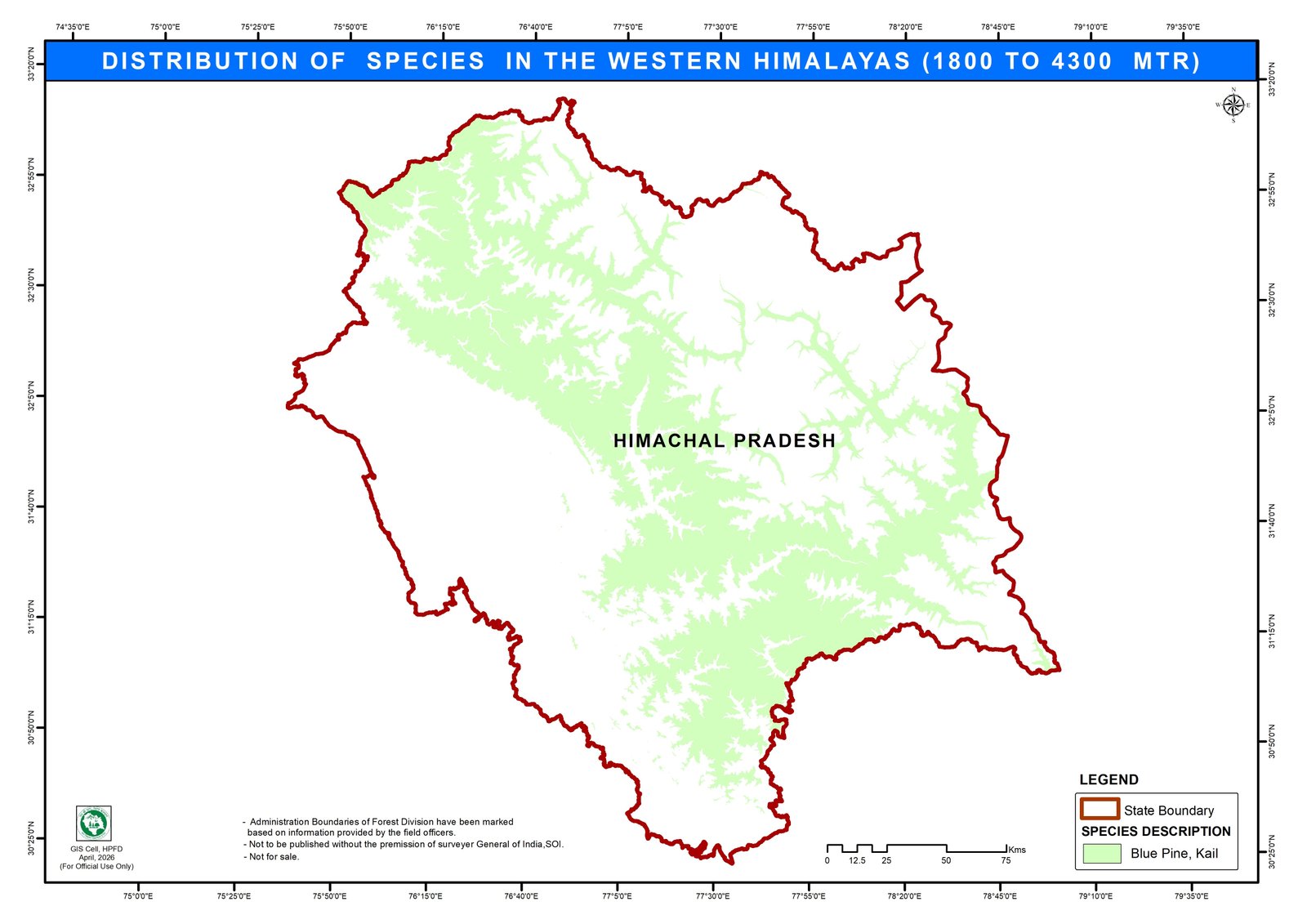
Native to the Himalaya, Karakoram and Hindu Kush mountains, from eastern Afghanistan east across northern Pakistan and north west India to Yunnan in southwest China.
It grows in mountain valleys at altitudes of 1800–4300 m (rarely as low as 1200 m).The habitats are mountain screes and glacier forelands, but it will also form old-growth forests as the primary species or in mixed forests with deodar, birch, spruce, and fir. In some places it reaches the tree line.
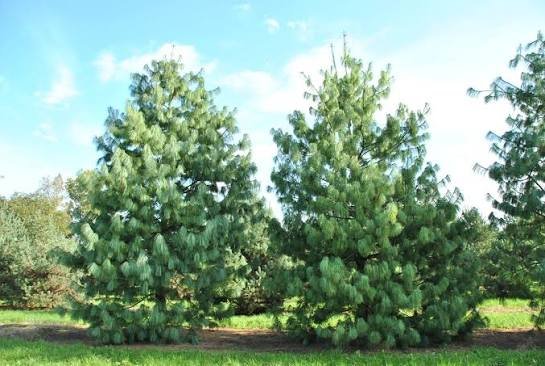
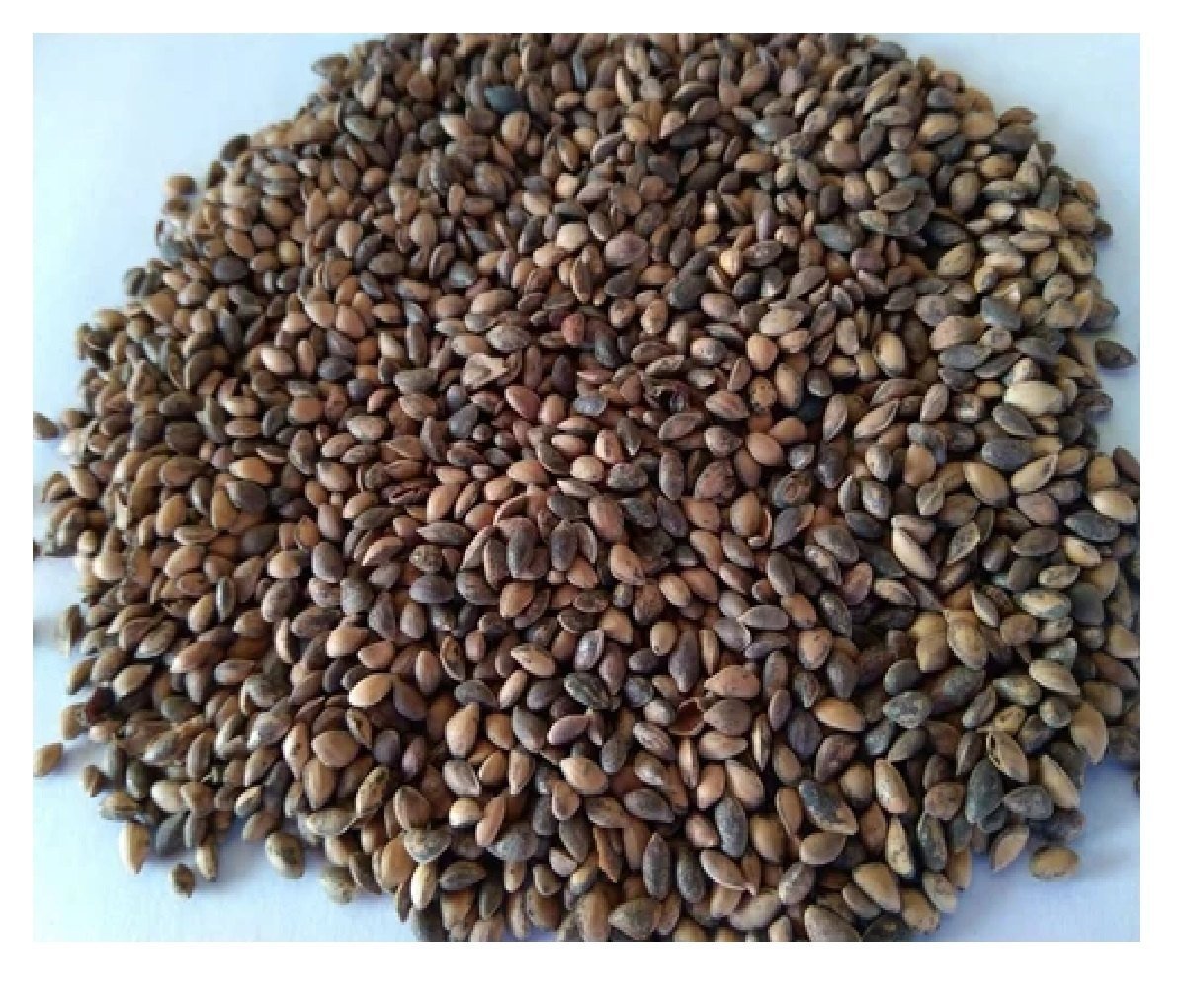
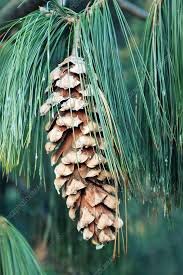
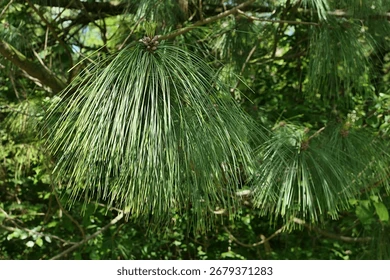
The leaves ("needles") are in fascicles (bundles) of five and are 12–18 cm long. They are noted for being flexible along their length, and often droop gracefully. The cones are long and slender, 16–32 cm, yellow-buff when mature, with thin scales; the seeds are 5–6 mm long with a 20–30 mm wing.
- The wood is moderately hard, durable and highly resinous. It is a good firewood but gives off a pungent resinous smoke. It is a commercial source of turpentine which is superior quality than that of P. roxburghii but is not produced so freely.It is a popular tree for planting in parks and large gardens, grown for its attractive foliage and large, decorative cones. It is also valued for its relatively high resistance to air pollution, tolerating this better than some other conifers.
Plant Details
Seed
Flower
Fruit
Leaves
Bark
Pinus wallichiana A.B.Jacks.
A medium-sized deciduous tree known for its natural cleansing properties and wide ecological value.
All Tree SpeciesQuick Facts
Native Information
Native to the Himalaya, Karakoram and Hindu Kush mountains, from eastern Afghanistan east across northern Pakistan and north west India to Yunnan in southwest China.
Habitat
It grows in mountain valleys at altitudes of 1800–4300 m (rarely as low as 1200 m).The habitats are mountain screes and glacier forelands, but it will also form old-growth forests as the primary species or in mixed forests with deodar, birch, spruce, and fir. In some places it reaches the tree line.
Habit
The leaves ("needles") are in fascicles (bundles) of five and are 12–18 cm long. They are noted for being flexible along their length, and often droop gracefully. The cones are long and slender, 16–32 cm, yellow-buff when mature, with thin scales; the seeds are 5–6 mm long with a 20–30 mm wing.
Uses
- The wood is moderately hard, durable and highly resinous. It is a good firewood but gives off a pungent resinous smoke. It is a commercial source of turpentine which is superior quality than that of P. roxburghii but is not produced so freely.It is a popular tree for planting in parks and large gardens, grown for its attractive foliage and large, decorative cones. It is also valued for its relatively high resistance to air pollution, tolerating this better than some other conifers.
Seed
Flower
Fruit
Leaves
Bark